
Buyer guide
Plate Carrier Sourcing Checklist for Distributors and Project Buyers
A checklist for defining a plate-carrier brief, approving samples and inspecting a B2B order.
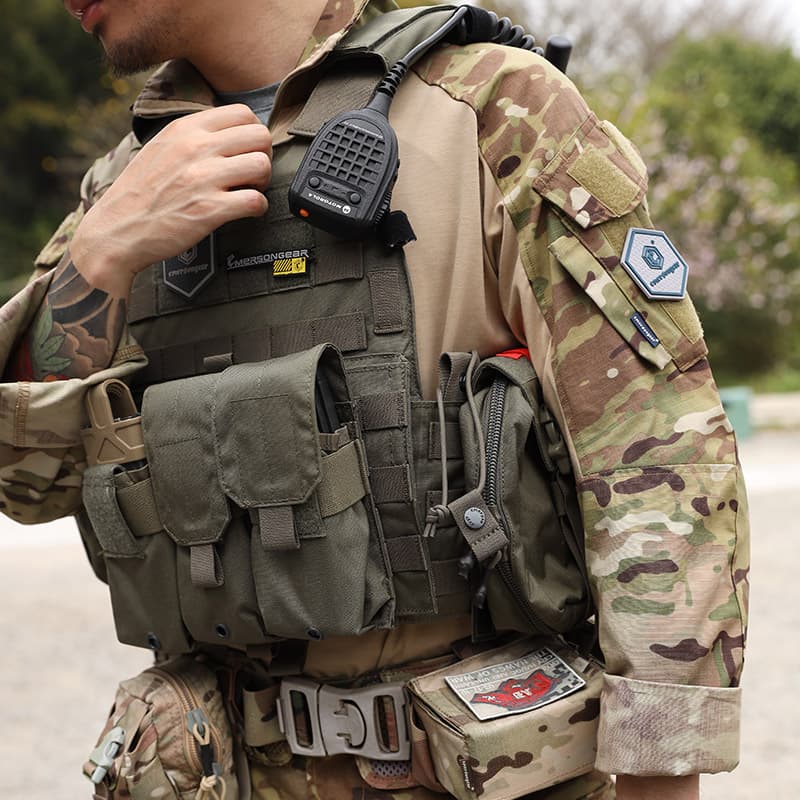
Plate Carrier Sourcing Checklist for Distributors and Project Buyers: Materials, Fit, Modular Layout and Inspection
Short answer: source a plate carrier by defining the intended use, plate compatibility, fit range, load configuration, material and hardware requirements, then approving a reference sample and an inspection plan before bulk production. Do not select a carrier on photos, camouflage pattern or a generic durability claim alone. The buyer needs a written specification that makes fit, construction and packing verifiable.
The term *plate carrier* can describe many configurations: a low-profile platform, a modular load-bearing system, a retail tactical product or a project-specific item with prescribed accessories. That variety is precisely why B2B buyers should begin with a use case and a controlled product brief. Two outwardly similar carriers can have different dimensions, adjustment range, panel layout, materials, closures, padding, pouch interfaces and packing requirements.
This article is a procurement guide for civilian distributors, retailers, training organisations and project buyers sourcing lawful products through normal commercial channels. A plate carrier is not, by itself, a statement of protective capability. Any body armour, ballistic, impact, protective-standard, end-use, import or legal requirement must be separately defined and verified with qualified specialists and current, applicable documentation.
1. Define the job the carrier must do
The best specification begins with how the product will be used, not how it looks in a catalogue. Record the user group, operating environment, expected duration of wear, carried items, climate, mobility requirement and sales channel. A range-training retailer may prioritise comfort, modularity and presentation; an outdoor distributor may care most about adjustable fit, durability and clear product information; a project buyer may need a prescribed configuration and documented acceptance process.
Write a one-paragraph use-case statement
An effective statement might say: “Adjustable modular carrier for an adult civilian training and outdoor-use assortment; compatible with the buyer-defined insert format; intended for over-clothing wear; supplied in specified colours with buyer-approved label and retail carton.” It should not make performance promises you cannot substantiate.
Then list the non-negotiables. Examples include plate-pocket dimensions, fit range, front and rear attachment layout, shoulder adjustment, cummerbund style, preferred material family, required colour, required pouch interface, branding position and packing configuration. Add a section for supplier recommendations so genuine engineering input is not lost, but keep buyer requirements and suggestions separate.
Define the plate or insert interface precisely
If your programme uses plates or inserts, state the actual dimensions, thickness range, geometry, edge profile and intended position—or attach the approved physical reference where appropriate. “Fits standard plates” is too vague for an RFQ. A supplier needs to know the form factor being evaluated. The carrier’s pocket dimensions, closure method and retention approach should be reviewed against the buyer-defined reference during sampling.
Avoid using an assumed compatibility claim in customer-facing content until it has been confirmed against the actual product and reference insert. A well-run sample review checks fit under the expected loading condition, without turning a marketing image into a proof of performance.
2. Specify the construction, materials and components
Material names can be useful, but names alone do not define a finished product. A practical brief describes the material role, requirement and evidence needed for the order.
Break the bill of materials into functional groups
For a sewn carrier, the RFQ may identify:
- Main body: fabric or laminate type, colour reference, weight range where relevant and finishing expectations.
- Structural reinforcement: webbing, binding, thread, bartack or reinforcement locations and backing layers.
- Comfort elements: mesh, foam, spacer material, shoulder padding or removable comfort pads.
- Adjustment and closures: hook-and-loop, elastic, buckles, tabs, cord and their intended locations.
- Modular attachment area: sewn webbing, laser-cut laminate or another buyer-defined layout.
- Labels and packaging: brand label, care or warning text where applicable, barcode, polybag, hangtag, carton assortment and shipping marks.
For each critical component, specify whether an exact named item is mandatory, whether an alternative needs prior approval, and how the approved version will be identified. If the order depends on a particular fabric, hardware item or colour standard, request the appropriate supporting evidence and tie the same description to the approved sample and purchase document. The right evidence varies by project; the point is traceable agreement, not paperwork for its own sake.
Laser-cut MOLLE versus sewn webbing MOLLE
Buyers often ask which modular attachment method is “better.” Neither is automatically superior. The decision depends on the use case, design, material system, load placement, desired appearance, edge finish, repairability and cost target.
Sewn webbing layouts are familiar, visible and easy to describe in a technical pack. The construction lets the buyer inspect row count, alignment, stitch line and webbing specification. A laser-cut laminate layout can create a cleaner, lower-profile visual result when the laminate, cut geometry, backing and edge durability are suitable for the design. It also makes the material system and manufacturing process more important to define and approve.
Instead of asking a supplier for “the strongest MOLLE,” describe the pouches or accessories intended for the attachment area, expected loading, preferred profile, environmental exposure and acceptance criteria. Inspect the sample with the actual intended accessories where possible. State what constitutes unacceptable deformation, loose attachment, misalignment, sharp edge or incomplete cut. Do not rely on a generic comparison image.
Clarify reinforcement without making vague strength claims
Load-bearing seams, shoulder connections, cummerbund attachment, panel interfaces and closure points deserve clear attention. Mark their locations on a drawing or reference photo. Ask the supplier how the pattern, layers, stitch sequence and reinforcements are represented in the sample. In the final specification, write the construction expected at each location rather than using phrases such as “extra strong.”
If the programme requires a specific test, define the method, sample condition, acceptance result, responsible party and document format before ordering. A factory process check may be useful, but it should not be represented as compliance with a standard unless that standard and evidence have been agreed and verified.
3. Make fit and adjustment measurable
Fit is a frequent source of returns, field dissatisfaction and product-review problems. It should be designed into the RFQ, not resolved with a general statement that the carrier is “one size fits all.”
Request a measurement table and an adjustment map
Ask for a drawing or measurement table that shows body dimensions, plate-pocket dimensions, shoulder adjustment range, cummerbund adjustment range and key placement points. Define the measurement method: laid flat, adjusted to a stated setting, with or without a reference insert, and measured at stated locations. For an adult assortment, decide whether one adjustable SKU is commercially suitable or whether several sizes are needed.
Use a fit-review checklist during sampling. Check whether the carrier can be adjusted as intended, whether the closures remain accessible, whether components create pressure points in the expected wearing configuration, and whether the loaded reference configuration changes the fit. These observations should be documented as product-development feedback, not claimed as universal performance for all users.
Consider how the carrier will be sold and supported
A wholesale order needs product data that the downstream channel can use. Plan the size chart, product photos, instructions, packaging copy and retailer-facing explanation of what is and is not included. If the carrier is sold without inserts, make that distinction clear in product data and images. If compatible accessories are optional, list the product configuration accurately so distributors and end customers do not assume they are included.
For current product discovery, buyers can view the EM7440 plate carrier page, then request current configuration details through the enquiry route. Product photographs are useful for visual evaluation; the final specification and approved sample remain the buying reference.
4. Build an accessory and configuration matrix
Many carrier projects fail at the interface level. The basic body may be correct, while front panels, pouches, radio mounts, shoulder pads or packaging variants are not defined consistently across the purchase order.
Use a SKU matrix for every included component
Create a simple table with columns for component name, buyer SKU, supplier SKU, colour, quantity per set, attachment interface, required/optional status, reference photo, label requirement and packing rule. The table can cover the carrier, front panel, side components, pouches, pads, patches and spare parts. Add a “not included” row for accessories shown in marketing imagery but not supplied in the carton.
This table is just as important for private-label projects as for a new OEM design. It prevents a buyer from approving a sample with a display configuration that differs from the shipped assortment.
Align colour and camouflage approvals
When colours, prints or camouflage matter, approve an actual reference before bulk work. Screens and compressed images can shift colour. State which reference controls: a named colour standard, an approved swatch, an approved sample, buyer-supplied artwork or another agreed file. Note whether a component may differ due to different base material or whether an exact visual match is required.
Supplier photographs should be assessed as photos, not as a replacement for colour approval. The final production documents need a reliable physical or controlled digital standard when colour consistency is commercially important.
Mid-article CTA — convert your configuration into a supplier brief
Need a carrier, pouch and accessory set quoted as one programme? Send your reference images, item list, quantities by colour and intended market. Send Your Requirements and ask for a configuration-based B2B response.
5. Use sampling to validate the complete buying reference
Request the appropriate sample sequence for the amount of customisation. A base model with a new label may need a branded approval sample; a material, construction or fit change may need development samples and a final pre-production reference. Agree what each sample is expected to validate, who approves it, and how comments are recorded.
Review construction in a repeatable order
Start with the overall configuration and dimensions. Move to material appearance, colour, panels, attachment layout, shoulder and waist adjustment, closures, edge finishing, internal pockets, labels and packaging. Check the intended accessory interface using the buyer-defined accessory where available. Capture observations in a table with the requirement, sample observation, decision, correction, owner and completion date.
For sewing review, inspect high-load locations, webbing ends, binding, bartacks where required, loose-thread trimming, symmetry and the relationship between left/right components. An individual observation is not automatically a defect; it becomes a controlled decision when compared to the approved specification. The aim is to give the factory and inspector the same reference—not to impose a vague impression of “premium quality.”
Release bulk production from the approved reference
Label the final approved sample with date and version, photograph the key views and retain its reference with the project files. List any permitted material alternative, revised label artwork or revised packaging. If something changes after the sample is approved, assess its effect on price, delivery and inspection before issuing a revised release. An outdated sample and a new chat instruction are not a stable production system.
6. Agree inspection and shipment rules before the goods are finished
Pre-shipment inspection should verify the requirements already agreed. Plan it early enough that an issue can be addressed before goods leave the supplier.
Include these checks in the inspection brief
- SKU, colour and size assortment against the purchase order.
- Key dimensions and adjustment range against the approved measurement method.
- Fabric, webbing, hardware and label identity against the approved reference.
- Appearance: colour variation, stains, cuts, loose threads, asymmetric parts, unfinished edges and damaged closures.
- Construction: specified reinforcement locations, seam appearance, panel and attachment alignment, hook-and-loop placement and functional closures.
- Product configuration: included parts, optional parts and “not included” communication.
- Packaging: polybag or inner pack, barcode and size label, carton quantity, carton marks and destination information.
Agree the sample-selection approach and the classification of defects with the supplier or independent inspection provider. If you use an acceptance sampling method, select it for your actual risk and product—not because another buyer used the same number. State what happens when an inspection identifies a concern: rework, re-inspection, replacement, written concession or another agreed route.
Treat shipment inspection as the last verification layer
An inspection report can be valuable evidence for a purchase decision, but it does not replace material approval, sample sign-off and in-process communication. If the buyer’s product has special legal or performance requirements, its verification path should be designed with appropriate technical and legal advisers. Do not allow a general inspection report to be presented as evidence of a regulatory, protective or tactical-performance claim it did not assess.
7. Compare manufacturers using a carrier-specific scorecard
Use a weighted supplier scorecard after the product brief, quotation and samples are available. This keeps a buying team from selecting on a single photograph or lowest unit price.
| Criterion | Suggested weight | Questions to score |
|---|---|---|
| Configuration understanding | 25% | Did the supplier clarify plate interface, fit, accessories and inclusions? |
| Construction and material evidence | 20% | Can it identify the proposed materials, hardware and construction details? |
| Sample control | 20% | Is the sample process clear, responsive and documented? |
| Inspection readiness | 15% | Are quality points, packing checks and re-inspection expectations workable? |
| Commercial alignment | 10% | Are price, MOQ, lead-time assumptions, packaging and delivery terms visible? |
| Communication discipline | 10% | Does the supplier manage questions, versions and risk escalation clearly? |
Use the scorecard to drive the next conversation. A lower score in one area may be acceptable if the supplier can close a documented gap before purchase order release. It is not a substitute for the buyer’s own due diligence, end-use screening, compliance review or contractual protection.
FAQ
What should I specify when sourcing plate carriers wholesale?
Specify the use case, plate or insert interface, product dimensions, fit and adjustment range, material and hardware requirements, attachment layout, included accessories, colour reference, branding, packaging, quantities by SKU/colour, inspection requirements and destination. Attach a drawing, sample or reference images where available.
What materials should I specify for a durable plate carrier?
Start with the product’s intended use and construction, then define the main-body material, reinforcement layers, webbing or laminate, thread, binding, closure system, padding and hardware. For critical items, identify the exact component or approval route. “Durable” is not a complete specification; construction details and agreed inspection criteria make it actionable.
Is laser-cut MOLLE better than webbing MOLLE?
They suit different product designs. Webbing is straightforward to inspect and repair; a laser-cut laminate layout can provide a lower-profile result when the material system and cut geometry are appropriate. Choose based on the required accessories, expected use, profile, material system and accepted construction—not on a blanket claim of superiority.
How do I check plate carrier fit before bulk production?
Use a written measurement method and buyer-defined insert or plate reference where relevant. Review plate-pocket dimensions, shoulder and waist adjustment, closure access, intended accessory placement and product configuration during sample approval. Record the final settings and any required changes in the approved reference.
Can a generic carrier be marketed as protective equipment?
Do not make protective, ballistic, impact or standards claims unless the exact finished product has appropriate, current evidence for the intended market and the claim is reviewed by qualified experts. A carrier and its inserts must be considered separately, with the relevant regulatory and end-use requirements.
Conclusion
Reliable plate-carrier sourcing is a specification process. Define the intended use and plate interface, turn materials and construction into inspectable requirements, make fit measurable, map every included component and use sample approval to lock the buying reference. Then inspect the shipment against that same reference. This approach creates better quotations, more useful supplier comparisons and clearer downstream product information.
Final CTA — request a configuration-led quote
Share your carrier configuration, reference materials, quantities, destination and delivery requirement. Get a Quote for a B2B discussion, or contact Emersongear to request current product information. For a visual starting point, review the EM7440 plate carrier product page.
---
SEO information
- SEO title: Plate Carrier Sourcing Checklist for B2B Buyers
- Meta description: A B2B plate carrier sourcing checklist covering product brief, materials, fit, modular layout, sample approval and pre-shipment inspection.
- URL slug: `/blog/plate-carrier-sourcing-checklist-for-b2b-buyers`
- Primary keyword: how to source plate carriers wholesale
- Supporting keywords: plate carrier manufacturer; how to choose a plate carrier manufacturer; custom plate carrier manufacturer; durable plate carrier material; laser cut MOLLE vs webbing MOLLE
- Schema recommendation: `Article` and `BreadcrumbList`; add `FAQPage` only where the same FAQ is visible. Do not use `Product` or performance schema on this educational article unless it accurately describes visible product data.
- Trust publishing requirement: The published version should link to an actual product page, named reviewer, date, current specifications and only substantiated product claims. Retain approvals and source files for every material, compatibility or performance statement added later.
Image plan and AI-image prompts
> Editorial safeguard: Use AI artwork only as an illustration. It must never substitute for a tested-fit image, genuine production evidence, shipment proof or an armour/performance certification.
Image 1 — plate-carrier configuration hero
- Purpose / insert position: Hero image immediately after the introduction.
- Caption: “A plate carrier RFQ starts with the intended configuration, not a generic product label.”
- ALT text: “Unbranded modular plate carrier arranged with a measuring guide and accessory layout references.”
- AI prompt: `Premium studio editorial photograph of an unbranded modular textile plate carrier laid flat with neutral measurement guides, removable front panel and accessory layout cards with no readable text, graphite background with soft directional light, highly realistic woven textile and hardware details, no weapons, no ballistic plates visible, no logos, 16:9.`
Image 2 — materials and modular-layout detail
- Purpose / insert position: After “Laser-cut MOLLE versus sewn webbing MOLLE.”
- Caption: “Material system and attachment layout should be reviewed against the intended accessory configuration.”
- ALT text: “Close-up comparison of sewn webbing attachment and laser-cut laminate attachment on unbranded textile samples.”
- AI prompt: `Side-by-side macro product-detail study of two unbranded textile carrier samples, one with neatly sewn webbing attachment rows and one with clean laser-cut laminate attachment slots, measuring gauge for scale, dark neutral studio background, accurate stitching and laminate texture, no brand marks, no weapons, no text, 3:2.`
Image 3 — fit and configuration review
- Purpose / insert position: In “Make fit and adjustment measurable.”
- Caption: “A documented fit review checks adjustment and configuration before bulk approval.”
- ALT text: “Technician measuring adjustable shoulder and waist straps on an unbranded textile carrier sample.”
- AI prompt: `Documentary product-development photo in a clean textile workshop, technician’s hands using a tape measure to review adjustable shoulder and waist straps on an unbranded carrier sample mounted on a neutral display form, no person wearing the product, no weapons, no protective claims, warm industrial daylight, 4:3.`
Image 4 — pre-shipment packing check
- Purpose / insert position: Within “Agree inspection and shipment rules before the goods are finished.”
- Caption: “Shipment verification includes SKU assortment, labels, configuration and carton information.”
- ALT text: “B2B inspector checking packed unbranded carrier cartons against a shipment checklist in a warehouse.”
- AI prompt: `Realistic B2B warehouse inspection scene, quality inspector reviewing generic packed cartons and individually bagged unbranded textile carrier products against a clipboard checklist, labels blurred and unreadable, orderly export staging area, cinematic but truthful documentary lighting, no weapons, no logos, 16:9.`
CTA and inquiry-popup plan
| Touchpoint | Placement and trigger | Copy / action |
|---|---|---|
| In-content CTA | After the accessory/configuration matrix, about 45% scroll depth | “Need a carrier, pouch and accessory set quoted as one programme?” Send Your Requirements → `/inquiry` |
| End CTA | Directly after conclusion | “Request a configuration-led quote.” Get a Quote → `/inquiry`; secondary Contact Us → `/contact` |
| Pop-up option | Trigger after 40% scroll and at least 30 seconds of engaged time; use desktop exit intent only as a fallback. Do not show it again after dismissal/submission for 14 days. | Title: “Build a complete plate-carrier sourcing brief”. Body: “Send your configuration, expected quantity, target market and any reference dimensions. We’ll help identify the information needed for a focused B2B enquiry.” Fields: Name, Email, Phone/WhatsApp (required); Company, Country/Region, Product configuration, Quantity, Message (optional). Button: “Request a B2B Quote”. |